
Salford housing update - Dérive provides 113 new homes in 2025
Salford City Council’s own housing company Dérive provided 113 new homes in 2025.
Forty per cent of the brand new homes are provided at social rent, meaning the rents are set lower than market rates and more affordable for tenants.
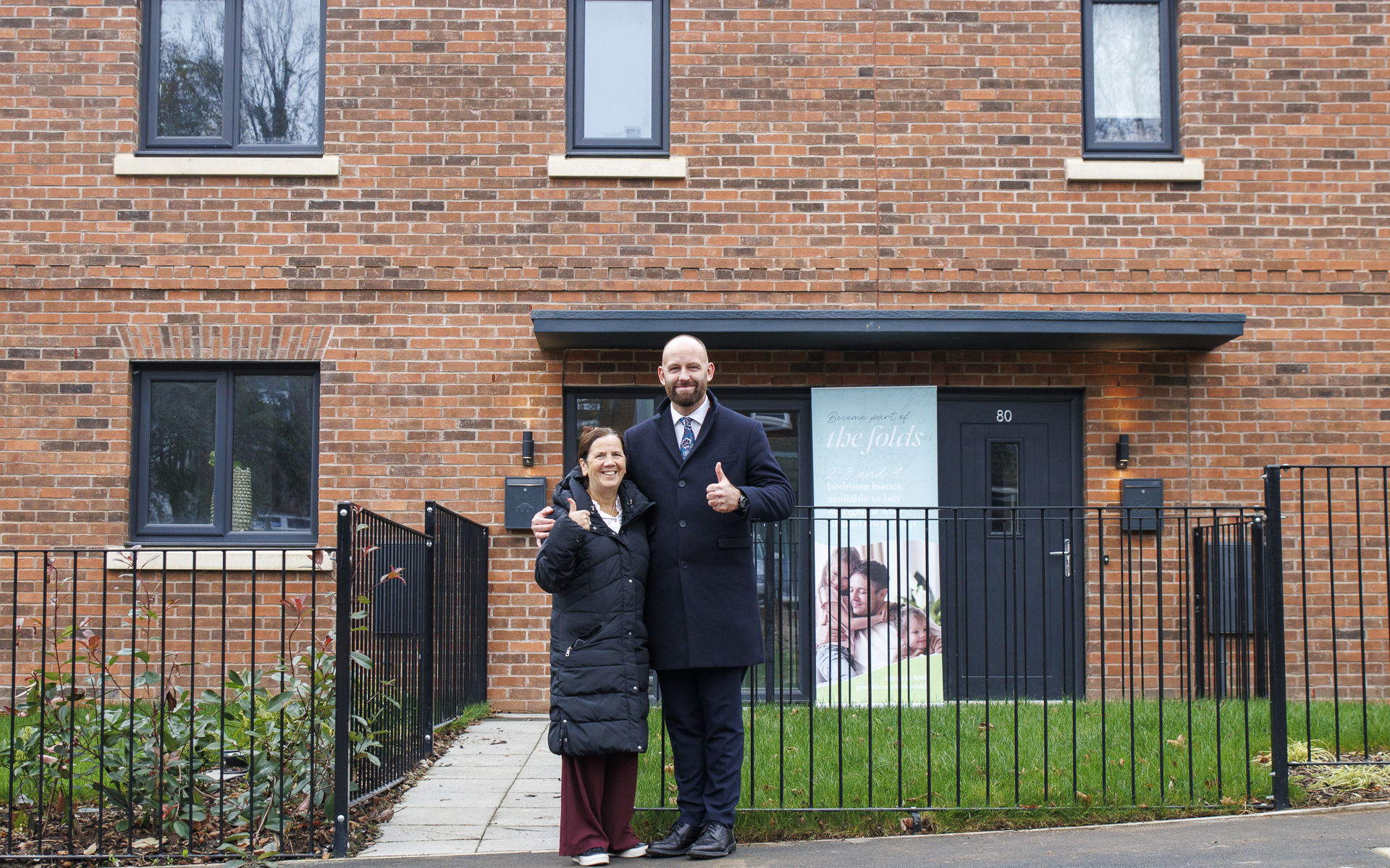
One of the schemes built has provided eight homes that give a secure base for rough sleepers or those at risk of homelessness and come with a package of wraparound support for things such as health and employment.
Nine of the new homes have been built to provide fully wheelchair accessible accommodation.
In addition, eight units provide sustainable housing for families who have arrived in the UK via Ukrainian and Afghan resettlement schemes and additional Temporary Accommodation.
And construction continues on another 393 homes across the city, including two new scheme starts on purpose-built move on accommodation for young people at risk of homelessness and rough sleeping.
Salford City Mayor Paul Dennett said: “It is fantastic to see Dérive continuing to deliver the high‑quality, genuinely affordable homes our residents so desperately need. We have a good mix of homes coming forwards to try and help meet local need.
“These new properties, particularly those offered at social rent, are already making a real difference to people’s lives. And the move on homes are providing stability for people at some of the most challenging times in their lives with the right support to help them move forward.
“When we launched Dérive in 2017, our ambition was to accelerate the delivery of high-quality affordable housing in Salford. They are all built to high specifications, making bills much cheaper for the people who live in them.
“With hundreds more homes under construction and more than 113 completed this year alone, we are firmly on track. We will continue to invest in our communities and put people first.”
Salford City Council introduced a new Housing Allocation Policy in late November. The updated policy, from 2025 to 2028, sets out how socially rented homes are allocated to people on the housing register in the city. The overall aim is to make sure that people who are most in need are given priority, taking into account local considerations and needs.
Share this post


About the Cabinet member
More information about Councillor Tracy Kelly
Councillor Tracy Kelly is the Lead Member for Housing and Anti-Poverty, she is also the Statutory Deputy City Mayor.